New research: zinc flake coatings shown to slow hydrogen uptake in high-strength steel
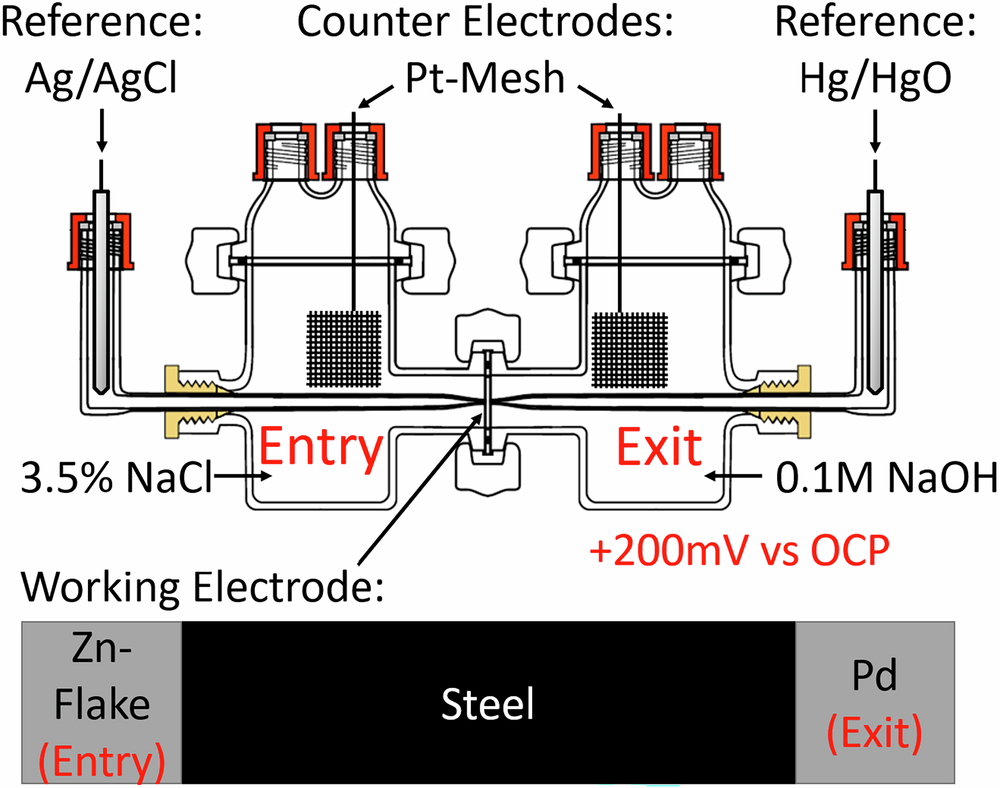
A peer-reviewed study published in npj Materials Degradation (Nature Portfolio, June 2026) examines how hydrogen moves through zinc flake coatings on steel — the mechanism behind hydrogen embrittlement, one of the most serious failure risks for high-strength fasteners and components.
Using electrochemical permeation testing, the researchers compared pure-zinc and zinc–aluminium–magnesium (ZnAlMg) flake systems. Both coating types measurably slowed hydrogen diffusion into the steel substrate compared with bare steel, with the pure-zinc flake system showing lower permeation than the alloyed ZnAlMg variant. The work also sheds light on how corrosion itself drives hydrogen uptake — valuable insight for anyone specifying coatings for embrittlement-sensitive parts.
For plating shops and fastener manufacturers, the findings reinforce what makes zinc flake technology attractive on high-strength steel: sacrificial corrosion protection that also acts as a barrier to hydrogen ingress. This is the same coating family Marshal Laboratories supplies as water-based zinc flake chemistry, applied on our DIP-SPIN coating plants.
Source: Feldmann, F., Mears, L. L. E., Söll, J., Vucko, F., Roth, M. & Valtiner, M., “Understanding hydrogen permeation in zinc flake coatings for hydrogen embrittlement mitigation”, npj Materials Degradation (2026), DOI 10.1038/s41529-026-00748-1. Image: Feldmann et al., npj Materials Degradation (2026), CC BY 4.0.